How-to
Mowing in Heat and Drought: How to Keep Your Grass Alive
 Illustration
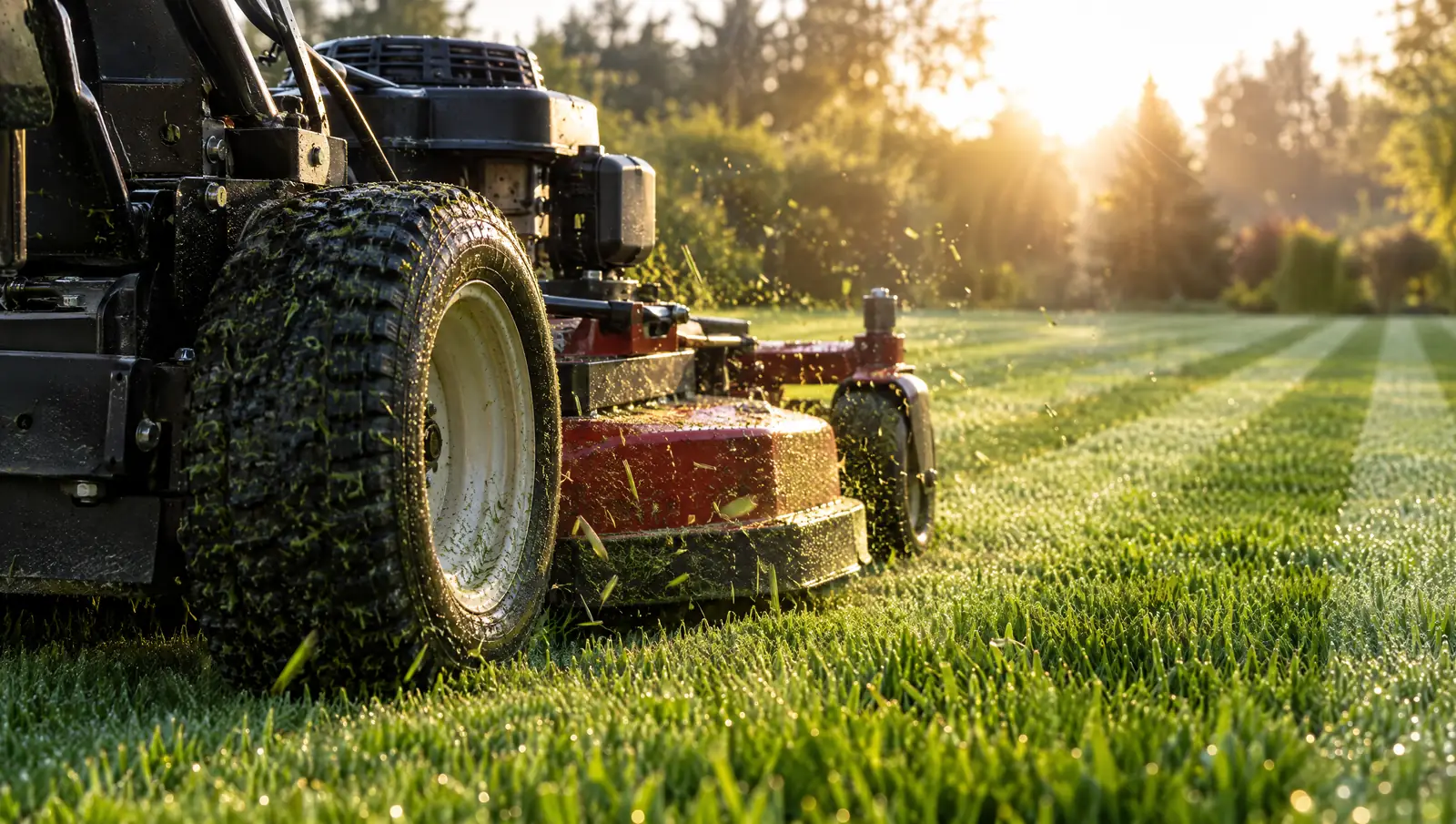
In hot, dry weather, raise your mower to 7.5 to 9 cm (3 to 3.5 inches). Mow in the cool of the morning or evening, never at midday. Take off no more than one third of the blade, and use a sharp blade. If the lawn has turned brown and stopped growing, don't mow it at all. Brown grass is often dormant, not dead.
Is it bad to mow your lawn in the heat?
It can be. Heat already stresses grass. A mower adds one more stress on top.
Iowa State University Extension says mowing at midday may add stress to the lawn. It says to mow in the cool of the morning or evening. The City of Calgary gives the same advice. It says not to mow in the middle of the day when the sun is hot.
Here's what that looks like on a hot July week:
- Morning: once the dew has dried off. Wet grass clumps and cuts badly.
- Evening: after the sun drops behind the houses and the lawn cools.
- Skip: the hottest part of the afternoon.
It's easier on you too. Pushing a mower at 3 p.m. in a heat wave is hard work. Bring water and take breaks.
How high should I cut grass in hot weather?
Higher than in spring. Iowa State says to mow Kentucky bluegrass at 7.5 to 9 cm (3 to 3.5 inches) in summer. In the cooler weeks of spring and fall, it drops to 6.5 to 7.5 cm (2.5 to 3 inches).
Why go higher? Iowa State says the extra leaf shades and cools the crowns. The crown is the base of the plant, right at soil level. It's where new growth starts. Iowa State warns that very high heat at crown level can kill grass.
Other sources point the same way:
- Health Canada says grass cut at 6 to 8 cm (2.5 to 3 inches) grows deep roots and comes in thicker.
- Calgary says to keep grass three inches long. It says that builds deeper roots and keeps more moisture.
- Ohio State University Extension says a taller summer lawn shades the soil. That keeps the soil cooler and holds moisture in.
So in July and August, set your mower near the top of the range. Our mowing height guide for Canada shows how to check your mower's real cutting height.
How much grass can I cut off in a heat wave?
No more than one third of the blade, ever. Iowa State says cutting more weakens the grass. A weak lawn handles heat and dry spells worse, and weeds move in faster.
Ohio State says breaking the one-third rule risks scalping. It says scalping can badly damage or kill grass, mostly in summer stress. Here's when to mow at summer heights:
| Height you keep | Mow before it reaches |
|---|---|
| 7.5 cm (3 in) | About 11 cm (4.5 in) |
| 9 cm (3.5 in) | About 13 cm (5.25 in) |
Grass grows slower in a hot, dry spell. You may only need to mow every week or two. That's fine. Don't mow on a schedule just because it's Saturday. Mow when the grass needs it. Our guide to how often to mow in Canada covers the normal rhythm.
Why is my lawn brown in summer? Is it dead?
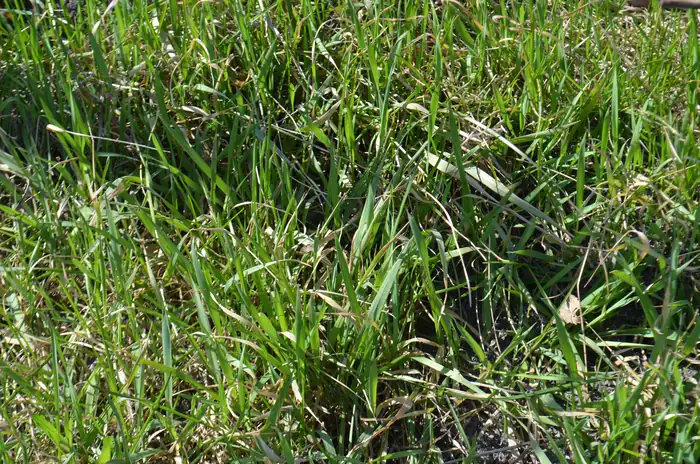
Most likely, no. Health Canada says that in long hot, dry periods a lawn may wilt, turn brown and go dormant. It says a healthy lawn can live through several weeks of that.
Iowa State calls dormancy a natural survival trick for Kentucky bluegrass and other cool-season grasses. The leaves die back, but the crowns and roots stay alive. Health Canada says bluegrass and fine fescues green up again once normal moisture comes back.
How long can it last? Iowa State says cool-season grass can stay dormant for 4 to 6 weeks without real damage. When the weather cools in fall, it greens up and grows again.
How can I tell my lawn is drying out?
Iowa State gives two early signs, before the lawn turns brown:
- The grass turns a bluish green instead of its normal dark green.
- Your footprints stay pressed into the lawn after you walk across it.
If you see footprints that don't spring back, the lawn is thirsty. Hold off on mowing until it rains or you water.
Should you mow a dormant lawn?
No. Iowa State says dormant lawns, the ones that have turned brown, should not be mowed. Foot traffic and mower wheels can damage the turf. The City of Medicine Hat's grasscycling sheet says it plainly: never mow during a drought.
A dormant lawn grows very little anyway. If a few green weeds or seed heads poke up, raise the mower all the way and only clip the tops. Or leave them for a week.
Iowa State also says to keep heavy foot and car traffic off dormant grass. It says that traffic will likely damage the crowns. Damaged plants may not fully recover when rain returns. A few ideas for dry spells:
- Don't park a trailer, boat or car on the lawn.
- Move the kids' soccer net to a different spot each week.
- Use the path or driveway instead of cutting across the grass.
Should I water my lawn during a drought?
You have two choices. You can let the lawn go dormant, or water it to keep it green. Both are fine. The one thing to skip is flip-flopping. Iowa State says not to let a lawn go in and out of dormancy all summer. If it goes brown, only wake it up if you can keep watering after that.
If you water, Health Canada says to water only when the lawn needs it, usually no more than once a week with no rain. Give it at least 2.5 cm (1 inch). Water in the morning. Health Canada says evening watering leaves the grass wet longer and raises the risk of disease. Our post on the best time to water your lawn has more.
If you let it go dormant, Iowa State says a small drink still helps. About 0.6 cm (a quarter inch) a week keeps the crowns alive. After 4 to 6 weeks of dormancy, it says to give 2.5 to 4 cm (1 to 1.5 inches) in one watering. That won't green it up, but it keeps the roots alive. Repeat about every 4 weeks if the dry spell goes on.
Many cities limit lawn watering in summer, so always check your city's rules first. We've written guides for Kelowna and Medicine Hat, among others.
What about a new lawn?
Be more careful. Iowa State says lawns started from seed or sod this year or last year may not survive dormancy. Their roots aren't as deep yet. Keep new grass watered and don't let it go brown.
Do sharp blades and clippings matter more in the heat?
Yes, both help. Iowa State says dull blades tear and bruise the leaf tips. Health Canada says grass recovers faster from a clean cut than a torn one. A heat-stressed lawn has little to spare, so a ragged cut costs more in July. Our post on sharp mower blades shows how to spot a dull one.
Leave the clippings where they fall. Medicine Hat tells residents to leave grass cuttings on the lawn to slow water loss. Short clippings drop between the blades and break down. Read more in our post on leaving grass clippings on the lawn.
What about weeds that show up in a thin, dry lawn? Our partner crews don't spray, and Golden Oak gives no herbicide advice.
What does a good heat-wave mowing routine look like?
Put it all together and a hot, dry week looks like this:
- Walk the lawn first. Look for brown patches and footprints that stay.
- If the lawn is green and growing, raise the mower to 7.5 to 9 cm.
- Mow early in the morning or in the evening.
- Cut no more than one third of the blade.
- Leave the clippings on the lawn.
- If the lawn is brown and not growing, skip the mow and keep traffic off it.
Trimming still matters in a dry spell. Grass along fences and walks often stays green near the edges. A quick pass with the trimmer keeps the yard tidy while the lawn rests. See our trimming and edging service for what that includes.
Would you rather not mow in the heat at all?
Golden Oak Lawn Care matches you with a vetted, insured local crew. They do the work. We stand behind it with the Golden Oak Guarantee. Tell your crew the summer height you want, and the same crew cuts it that way every visit. They text you a photo after every cut, so you can see the lawn without stepping outside.
Book lawn mowing for the Worry-Free Lawn Season, and your first cut is free. Going away for the hot weeks? Pause by text.
Want it handled? Get your price in 60 minutes, or call 1-866-904-LAWN.
Mowing in Heat and Drought Questions
What time of day is best to mow in hot weather?
Early morning, once the dew is gone, or in the evening. Iowa State says midday mowing may add stress to the lawn. Calgary also says not to mow when the sun is hot.
Should I cut my grass short so I mow less in summer?
No. Short grass dries out and heats up faster. Iowa State says to raise bluegrass to 7.5 to 9 cm (3 to 3.5 inches) in summer. Never take off more than one third at once.
Will my brown lawn come back?
Usually, yes. Health Canada says a healthy lawn can survive several weeks dormant. Iowa State says cool-season grass can stay dormant 4 to 6 weeks without real damage and greens up in fall.
Can I mow a lawn that's dormant from drought?
Best not to. Iowa State says brown, dormant lawns shouldn't be mowed, because foot and mower traffic can damage the grass. Wait until it greens up and grows again.
Sources: Health Canada, maintaining a lawn, Iowa State Extension, summer lawn care, Iowa State Extension, summer dormancy, City of Calgary lawn care, Ohio State Extension, lawn mowing, City of Medicine Hat grasscycling, City of Medicine Hat water conservation.