How-to
Mowing Height Guide for Canadian Lawns: How High to Cut Your Grass
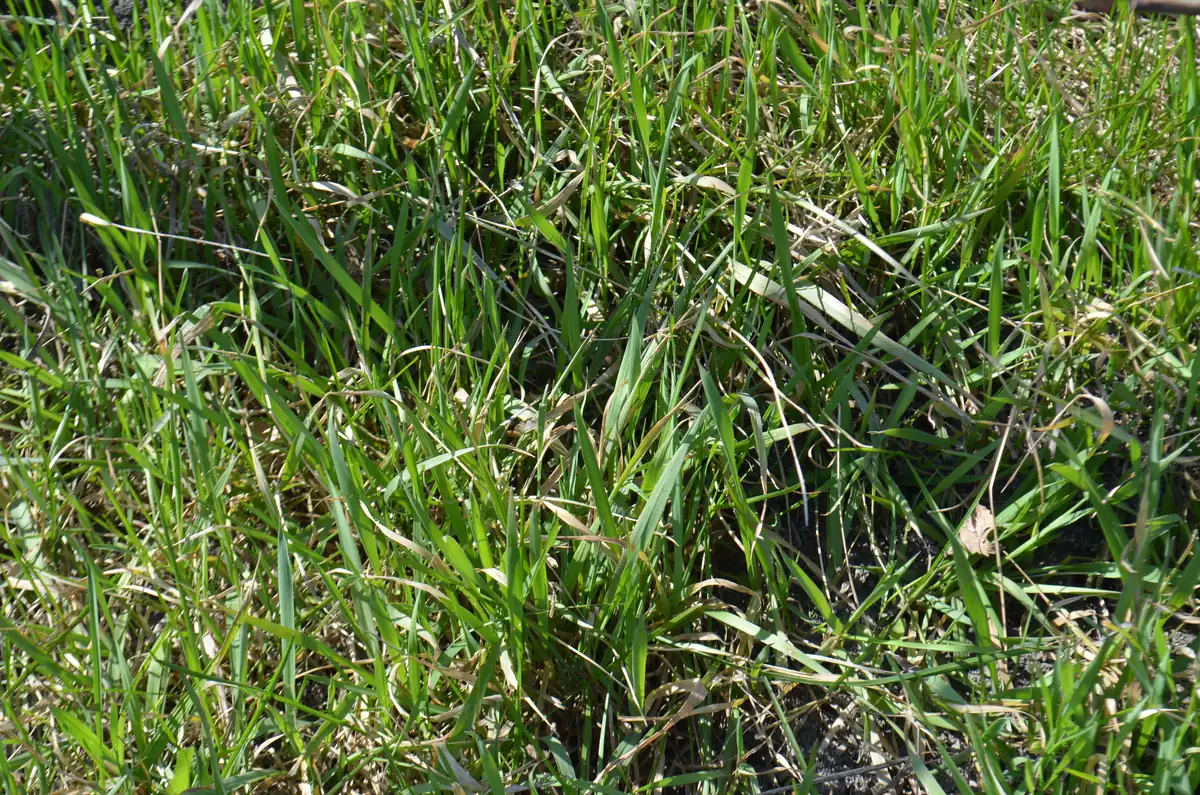
For most Canadian lawns, cut your grass at 6 to 8 cm (2.5 to 3 inches). That's the height Health Canada gives, and cities like Hamilton, Brantford and Calgary say the same. Go a little higher in hot summer weeks and in shade. Never cut off more than one third of the blade in one mow.
What height do Canadian cities and Health Canada recommend?
Here's the good news. The official advice across the country lands in almost the same spot. Here is what each source says:
| Source | Recommended height |
|---|---|
| Health Canada | 6 to 8 cm (2.5 to 3 inches) |
| City of Hamilton | About 6 to 7.5 cm (2.5 to 3 inches) |
| City of Brantford | 3 inches (7.5 cm) |
| City of Calgary | Three inches (7.5 cm) |
| City of Barrie | At least 6 cm |
| Abbotsford water program | About 3 inches |
So if you remember one number, make it 7.5 cm (3 inches). It sits right in the middle of every range above. Health Canada says grass cut at 6 to 8 cm grows a deep root system and comes in thicker.
Why does mowing height matter so much?
Ohio State University Extension calls mowing height the most important part of mowing. It matters more than how often you cut or which mower you own.
Each grass blade is a tiny solar panel. Cut it too short and the plant can't make enough food. Ohio State says low mowing limits leaf area and weakens the grass. Purdue University Extension adds that mowing too low holds back roots. It also leaves grass more open to damage from insects, disease, drought and foot traffic.
Taller grass helps in a few ways:
- Deeper roots. Health Canada, Calgary and Iowa State all tie a higher cut to deeper roots.
- Cooler, wetter soil. Ohio State says taller summer grass shades the soil and holds moisture. Barrie says longer grass protects roots from the sun and slows evaporation.
- Fewer weeds. Ohio State says research shows taller mowing heights cut down on weeds. The grass shades out weed seedlings.
Does the right height change with the type of grass?
A little, but not much for most Canadian yards. Most lawns here are cool-season grasses. That means Kentucky bluegrass, perennial ryegrass, fine fescues and tall fescue, often mixed together. Two university guides list these ranges:
| Grass type | Ohio State | Purdue |
|---|---|---|
| Kentucky bluegrass | 5 to 10 cm (2 to 4 in) | 5 to 9 cm (2 to 3.5 in) |
| Perennial ryegrass | 5 to 10 cm (2 to 4 in) | 5 to 9 cm (2 to 3.5 in) |
| Fine fescues | 5 to 10 cm (2 to 4 in) | 5 to 9 cm (2 to 3.5 in) |
| Tall fescue | 6.5 to 10 cm (2.5 to 4 in) | 6.5 to 10 cm (2.5 to 4 in) |
Don't know your grass type? Don't worry. A height of 6 to 8 cm fits inside every row of that table. If your lawn is mostly bluegrass, our Kentucky bluegrass mowing guide goes into more detail.
Should I raise the mower in summer?
The guides split a bit here. Iowa State University Extension says to mow Kentucky bluegrass at 7.5 to 9 cm (3 to 3.5 inches) in summer. In spring and fall, it drops back to 6.5 to 7.5 cm (2.5 to 3 inches). Iowa State says the extra leaf shades and cools the base of the plant and grows deeper roots.
Purdue takes the other side. It says not to change the mowing height during the year.
Here's how we'd sort it out. Pick a height near the top of the range and leave it there, or raise it one notch in July and August. Both stay inside the safe zone. What hurts a lawn is dropping low in a heat wave. Calgary also says not to mow in the middle of the day when the sun is hot.
For fall, Iowa State says to lower the height back to 6.5 to 7.5 cm in mid to late September. Our post on the last mow of the season covers how to finish the year.
How high should I cut grass in the shade?
Higher. Grass under trees or on the north side of the house gets less light. It needs more leaf to make the same amount of food.
Purdue says to mow shaded lawns 1.5 to 2.5 cm (0.5 to 1 inch) higher than normal. Ohio State says the same thing in general terms: raise the height more under shade. So if your sunny front lawn sits at 7.5 cm, try 9 to 10 cm under the maple out back.
What is the one-third rule?
This is the rule that matters most after height itself. Never cut off more than one third of the grass blade in one mow. Hamilton, Calgary, Abbotsford, Iowa State and Ohio State all say it.
Iowa State says cutting more than a third badly injures the grass. Ohio State says it risks scalping, which can badly damage or kill a lawn, mostly in summer heat.
The rule also tells you when to mow. Ohio State gives an example: if you keep a lawn at 3 inches, don't let it pass 4.5 inches. Here's how that looks in centimetres:
| Height you keep | Mow before it reaches |
|---|---|
| 6 cm (2.5 in) | 9 cm (3.5 in) |
| 7.5 cm (3 in) | About 11 cm (4.5 in) |
| 9 cm (3.5 in) | About 13.5 cm (5.3 in) |
In May and June, grass can grow past those lines in under a week. That's why spring mowing comes so often. Our guide to how often to mow in Canada lays out a normal schedule.
What if my grass already got too long?
Don't take it all down in one pass. Purdue says to raise the mower, then lower it back over a few mowings. Ohio State gives a two-step version for long wet spells:
- Set the mower to its highest setting and mow once.
- Lower it to your normal height and mow again in a different direction.
If the lawn is very long, wait a few days between those cuts. That keeps each cut under one third. Long grass can also break city rules. Calgary's Community Standards Bylaw says grass can't go over 15 cm (6 inches). Our post on long grass bylaws in Canada lists other cities.
How do I check my mower's real cutting height?
The numbers on a mower's height lever are usually notches, not centimetres. A "3" setting is not always 3 inches. Here's a quick check:
- Park the mower on a flat driveway or garage floor. Turn it off and pull the spark plug wire or the battery.
- Tip it carefully and measure from the floor to the lowest edge of the blade.
- Check all four wheels. Some mowers set front and back wheels on their own levers.
- After your next mow, push a ruler into the lawn in a few spots. That's the true height.
Bumpy spots scalp first. If the mower leaves bald patches on high ground, raise it a notch. A sharp blade matters too. Health Canada says grass recovers faster from a clean cut than a torn one. Brantford says torn grass is more prone to disease. Our post on sharp mower blades shows how to tell when it's time. Our partner crews don't spray, and Golden Oak doesn't give pesticide or fungicide advice.
Is it okay to leave the clippings?
Yes. Hamilton, Brantford and Calgary all encourage it. At the right height, clippings are short and drop down between the blades. Health Canada has one exception: in wet spring weather, rake off clumps thicker than 0.5 cm so they don't smother the grass. Our post on leaving grass clippings on the lawn explains more.
Want someone else to keep the height right?
Golden Oak Lawn Care matches you with a vetted, insured local crew. They do the work. We stand behind it with the Golden Oak Guarantee. Tell your crew the height you want, and the same crew cuts it that way every visit. They text you a photo after every cut. Not happy? Text us a photo within 24 hours, and your crew re-cuts it free within 48 hours.
Book lawn mowing for the Worry-Free Lawn Season and your first cut is free.
Want it handled? Get your price in 60 minutes, or call 1-866-904-LAWN.
Mowing Height Questions
How high should I cut my grass in Canada?
Most lawns do best at 6 to 8 cm (2.5 to 3 inches). That's what Health Canada recommends. Hamilton, Brantford and Calgary give about the same number.
Is 2 inches too short for grass?
It's at the very bottom of the range for most cool-season grasses. Most Canadian sources say 2.5 to 3 inches. Mowing that low can weaken roots and let weeds in.
Should I cut my grass shorter for the last mow?
Only a little. Iowa State says to lower bluegrass to 6.5 to 7.5 cm (2.5 to 3 inches) from mid to late September. Don't scalp it, and keep the one-third rule.
How much grass can I cut off at once?
No more than one third of the blade. If you keep your lawn at 7.5 cm, mow before it reaches about 11 cm. Cutting more can scalp and stress the grass.
Sources: Health Canada, maintaining a lawn, City of Hamilton yard waste, City of Brantford yard waste, City of Calgary lawn care, City of Barrie water conservation, Abbotsford Water Wise Lawn Care, Iowa State Extension, summer height, Iowa State Extension, fall lawn care, Ohio State Extension, lawn mowing, Purdue Extension, lawn care.