How-to
Kentucky Bluegrass Lawns: How to Mow Them in Canada
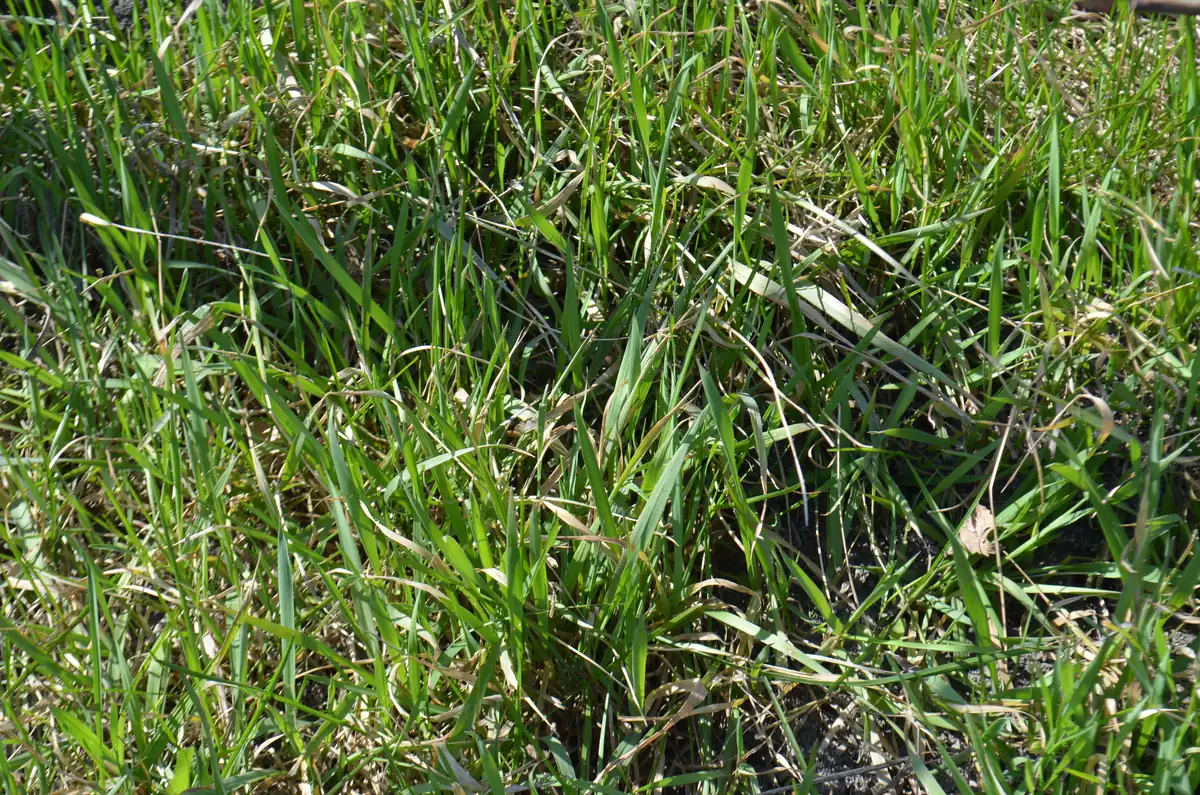
Mow Kentucky bluegrass tall. Iowa State University says to cut it at 6.5 to 7.5 cm (2.5 to 3 inches) in spring and fall. In summer, raise the deck to 7.5 to 9 cm (3 to 3.5 inches). Never take more than one third of the blade in one cut. Mow often in spring, less in summer, and leave the clippings on the lawn.
What is Kentucky bluegrass?
Kentucky bluegrass is a cool-season grass. Kansas State University says it spreads by underground stems called rhizomes. Those stems creep sideways under the soil and send up new shoots.
That's why a bluegrass lawn feels so thick and soft. Iowa State says the rhizomes let it fill in and recover quickly from damage. A worn path or a dog spot can knit back together on its own.
It has a few weak spots too. Iowa State says it has poor shade tolerance. It also has a shallow root system, so it needs a lot of water in summer. The City of Calgary says bluegrass mixes are quick to green up, but they need more water and care than native, drought-tolerant grass.
Canadian cities name it too. The City of Red Deer talks about Kentucky bluegrass by name in its lawn tips. If your lawn is soft, dark green and thick, there's a good chance bluegrass is part of the mix.
How high should you mow Kentucky bluegrass?
Higher than most people think. Here's what official sources say:
| Source | Mowing height |
|---|---|
| Iowa State University, spring and fall | 6.5 to 7.5 cm (2.5 to 3 inches) |
| Iowa State University, summer | 7.5 to 9 cm (3 to 3.5 inches) |
| Purdue University | 5 to 9 cm (2 to 3.5 inches) |
| City of Red Deer | 6.5 to 7.5 cm (2.5 to 3 inches) |
| City of Calgary | 7.5 cm (3 inches) |
See the pattern? Almost every source lands near 7.5 cm (3 inches). That's a safe setting for most of the season.
Tall grass pays you back. Calgary says grass kept at three inches grows a deeper root system and holds more moisture. Red Deer says a taller cut helps roots and keeps weeds from growing. Iowa State says bluegrass at 2.5 to 3.5 inches is very competitive with weeds.
Why mow bluegrass taller in summer?
Summer heat is hard on a cool-season grass. Iowa State explains it simply. The extra leaf shades and cools the crowns of the grass plants. The crown is the base of the plant, right at the soil line.
Taller leaves also make more food for the plant. Iowa State says that leads to deeper roots. Deeper roots reach more water when the weather turns dry.
So in late June or July, bump the deck up one notch. Then bring it back down when the cool fall weather arrives.
Does mowing time of day matter?
It can. Purdue says to skip mowing at midday when it's above 32°C (90°F) and the soil is dry. Mow in the early morning or early evening instead. Your grass and your back will both thank you.
How often should you mow a bluegrass lawn?
Let the grass set the pace, not the calendar. The one-third rule is the guide. Iowa State says never remove more than one third of the leaf at one time.
Here's what that looks like with real numbers:
- If you keep your lawn at 7.5 cm (3 inches), mow before it passes about 11 cm (4.5 inches).
- If your grass hits 9 cm (3.5 inches), a one-third cut takes it to 6 cm (about 2.5 inches).
- If the lawn got away from you, cut it down in steps over a few mows. Don't scalp it in one pass.
Bluegrass grows fastest in the cool, wet weeks of spring and fall. Purdue says some lawns need mowing twice a week then, and only once every 2 weeks in summer. Our guide to how often to mow in Canada walks through it month by month.
What if part of your lawn is in shade?
Bluegrass loves sun. Under a big maple or on the north side of the house, it often thins out. Iowa State says fine fescue is the grass that handles shade well.
You can still help the bluegrass you have. Purdue says to mow shaded lawns 0.5 to 1 inch (about 1.5 to 2.5 cm) higher than normal. The extra leaf helps the grass catch what light it gets.
Shade also means slower growth. Those spots may not need a cut every time the sunny lawn does. Keep foot traffic light there too.
Why does Kentucky bluegrass turn brown in summer?
Usually it's not dead. It's asleep. Iowa State says bluegrass goes dormant in long dry spells. The leaves stop growing and turn brown, but the crowns and roots stay alive.
The City of Red Deer says the same thing. It says Kentucky bluegrass goes dormant in hot weather and turns green again once the weather cools. Calgary notes that heat or lack of water can push grass into summer dormancy.
Should you mow a dormant lawn?
There's not much to cut. Iowa State says very little growth happens while a lawn is dormant. It also says to keep moderate to heavy foot and vehicle traffic off a dormant lawn, since that can damage the crowns.
So hold off and let the brown grass rest. Iowa State says bluegrass can stay dormant for 4 to 6 weeks without significant damage. When fall brings cool weather and rain, it greens up and grows again.
Should you bag the clippings?
No. Leave them where they fall. Calgary says leaving clippings on the lawn returns nutrients to the soil, discourages weeds and keeps moisture in. Purdue says removing clippings is generally not recommended on most lawns.
Short clippings break down fast. That's another reason to follow the one-third rule. A small cut leaves small bits that drop out of sight. A big cut leaves heavy clumps that can smother the grass. If you get clumps, spread them out or run the mower over them again.
One more tip: sweep clippings off the driveway, walk and street when you're done.
What else keeps a bluegrass lawn looking sharp?
- Keep the blade sharp. Purdue says a busy mower may need sharpening four to six times a year. Our post on sharp mower blades covers the signs of a dull one.
- Mow dry grass. Wet grass clumps and gives an uneven cut.
- Change your pattern. Mow in a different direction each time so the grass doesn't lean one way.
- Walk the yard first. Pick up sticks, toys and stones before you start.
- Trim the edges. Neat trimming and edging along walks and beds finishes the look.
Weeds or brown patches that look like disease? Our partner crews don't spray, and Golden Oak gives no pesticide or herbicide advice.
When do you stop mowing bluegrass in the fall?
Keep going until the grass stops growing. Iowa State says cool-season grass like Kentucky bluegrass stops when daytime highs stay below 10°C (50°F).
In spring and fall, Iowa State says to mow at 6.5 to 7.5 cm (2.5 to 3 inches). Keep to that until the end. For more on the final cut, read our post on the last mow of the season.
Can a local crew mow your bluegrass for you?
Yes. Golden Oak Lawn Care matches you with a vetted, insured local partner crew. They do the work. We stand behind it with the Golden Oak Guarantee.
The same crew handles your lawn mowing every visit, so they learn your yard, your shady corners and your mower height. Your crew texts you a photo after every cut. Not happy? Text us a photo within 24 hours, and your crew re-cuts it free within 48 hours.
The Worry-Free Lawn Season books the whole season up front, and the first cut is free. We price every lawn by its size from satellite images, so no one needs to visit. Lawn size, how often you want a cut, slopes, gates and obstacles all change the price.
Want it handled? Get your price in 60 minutes, or call 1-866-904-LAWN.
Kentucky Bluegrass Questions
What height should I cut Kentucky bluegrass?
About 7.5 cm (3 inches) works for most of the season. Iowa State says 6.5 to 7.5 cm (2.5 to 3 inches) in spring and fall. In summer, go up to 7.5 to 9 cm (3 to 3.5 inches).
Is my brown bluegrass lawn dead?
Probably not. In hot, dry weather bluegrass goes dormant, and the crowns and roots stay alive. Iowa State says it can stay dormant 4 to 6 weeks without significant damage. It greens up again when cool, wet weather returns.
Will Kentucky bluegrass fill in thin spots on its own?
It often can. It spreads by underground stems called rhizomes. Iowa State says that helps it fill in and recover quickly from damage. Mowing tall and keeping traffic off the spot gives it the best chance.
Does Kentucky bluegrass grow in shade?
Not well. Iowa State says it has poor shade tolerance. Purdue says to mow shaded areas 0.5 to 1 inch (about 1.5 to 2.5 cm) higher than the rest of the lawn.
Sources: Iowa State University summer mowing height, Iowa State University choosing turfgrass, Iowa State University summer dormancy, Iowa State University when to stop mowing, Purdue University AY-8 mowing, Kansas State University Kentucky bluegrass, City of Red Deer naturescaping, City of Calgary lawn care.