City guide · Grande Prairie, AB
Grande Prairie Lawn Care: Making a Short Season Count
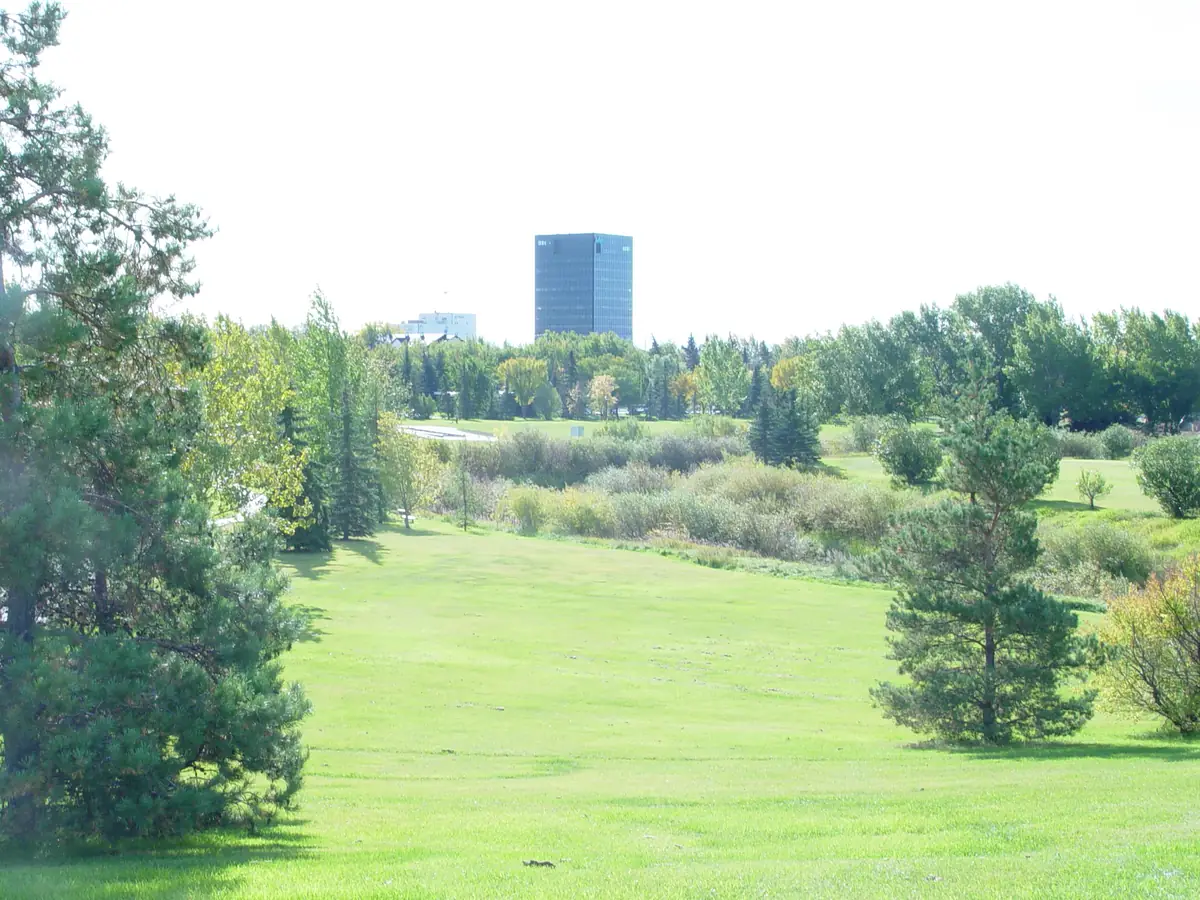
Grande Prairie averages just 117 frost-free days, from about May 17 to September 12. To make that short season count, clear the yard as soon as the snow is gone. Start mowing in May, once the grass is growing. Cut often in June, when long days push fast growth. Keep the grass taller in summer and water early in the morning. Then mow until highs stay under 10°C (50°F) and rake before the snow.
How short is the growing season in Grande Prairie?
Short. These are Environment Canada climate normals for the Grande Prairie airport, 1981 to 2010.
| At the airport | Normal daily high | Frosty nights |
|---|---|---|
| April | 10.1°C | about 20 |
| May | 16.8°C | about 6 |
| June | 20.5°C | none |
| July | 22.6°C | none |
| August | 21.7°C | rare |
| September | 16.6°C | about 5 |
| October | 9.4°C | about 20 |
The average last spring frost is May 17. The average first fall frost is September 12. That leaves 117 days in between. Alberta's own atlas says the south of the province gets more than 125. Our lawns pack the same work into less time.
So every week matters here. A late spring cleanup or a missed June cut is hard to win back. Our Grande Prairie lawn care page has more on local rules and neighbourhoods.
When should you start mowing in Grande Prairie?
Most years, in May. April's normal high at the airport is only 10.1°C. April still brings about 20 frosty nights and about 11 cm of snow. By the end of April, the snow on the ground is usually gone.
Snow melt isn't the signal, though. The Guelph Turfgrass Institute says cool-season grass starts growing once soil reaches 4.5 to 7°C (40 to 45°F). Soil warms slower than the air. So wait for the grass itself to tell you.
- The lawn is green and growing, not flat and brown.
- Most of it is about 10 cm (4 inches) tall.
- You can walk on it without sinking or leaving wet prints.
- The blades are dry, with no frost or dew.
Why does the ground stay soggy so long?
Soil surveys describe the land around Grande Prairie as clay loam to clay. It drains slowly, and water tends to run off the top. UConn Extension warns that walking or working on wet soil packs it down. That can hurt the lawn all season. If the yard squishes, give it a few more dry days.
What should spring cleanup look like here?
Do it fast and do it early. UConn Extension says leaves left in spring slow green-up and delay growth. In a short season, you can't spare those weeks.
- Rake off leaves the plow and the wind piled up.
- Pick up sticks, rocks and anything the snow hid.
- Rake grey or matted patches once the lawn is dry. The University of Saskatchewan says snow mould usually fades on its own.
- Trim back the edges along the walk and drive.
Aquatera's curbside yard waste pickup runs April to November. Grass and leaves go in clear, see-through bags. Each bag has to weigh less than 20 kg (44 pounds) and have no rips. Bundle branches no longer than 1 metre (about 3 feet) and no wider than 0.5 metres. There's no limit on bags.
Spring timing works much the same across the region. Our post on spring cleanup timing on the Prairies goes deeper.
Why does Grande Prairie grass grow so fast in June?
Light and rain. On June 21, Grande Prairie gets about 17.4 hours of daylight. The sun sets around 10:40 p.m. June and July are also the wettest months at the airport, with about 76 mm of rain each.
Long days plus rain means grass that won't slow down. NDSU Extension says you may need to mow every 5 days in spring. Miss a week in June and the lawn can get away from you.
Stick to the one-third rule. NDSU says never cut more than one third of the blade at once. If the grass got long, take it down in steps. Bag or rake big clumps, since NDSU says they can smother the lawn.
Can you mow on those long June evenings?
Only until 10 p.m. Grande Prairie's Noise Bylaw C-1103 bans power lawn mowers in residential areas from 10 p.m. to 7 a.m. It may still be light out at 10. The rule still applies. Finish the last pass before then.
How should you mow and water in July and August?
Keep the deck up. Iowa State Extension suggests 6.5 to 7.5 cm (2.5 to 3 inches) for bluegrass lawns. Aquatera's water tips also say to let grass grow longer. That helps the yard hold moisture.
When you water, do it early. Aquatera says the best time is between 4 and 10 a.m. Watering at mid-day can lose up to 30% of the water to evaporation.
- Water only when the lawn needs it. Aquatera says over-watering leads to shallow roots.
- Point sprinklers at grass, not the drive or the street.
- Watch for Aquatera notices. The Utility Bylaw lets Aquatera limit watering when needed.
Dandelions popping up? The City asks homeowners to leave them as early food for native bees. Our partner crews don't spray, and we don't give spray advice.
Should you stop mowing after the first fall frost?
No. The first frost comes around September 12, but the grass keeps growing. Iowa State Extension says cool-season grass stops when daytime highs stay below 10°C (50°F). Keep mowing until then.
In September, the normal high at the airport is 16.6°C. In October it drops to 9.4°C. October still has about 15 days over 10°C, though. So the last cut usually lands some time in October. Watch the weather, not the calendar.
How short should the last cut be?
A bit shorter than summer, but don't scalp it. The University of Nebraska suggests 5 to 6.5 cm (2 to 2.5 inches) for the last mow. That helps the lawn head into winter and fight snow mould. Step down slowly over the last few cuts. Our last mow of the season guide has the details.
Why does fall cleanup matter so much in Grande Prairie?
Winter comes early. October brings about 12 cm of snow and about 20 frosty nights at the airport. On average, about 3 cm of snow is on the ground by the end of October.
Leaves left under that snow hurt the lawn twice. Iowa State says a leaf layer blocks light, so grass can't store food before winter. The University of Saskatchewan says long, matted grass and leaf litter help snow mould grow. Their advice: cut and rake before the snow arrives.
- Rake or mulch leaves as they fall, not all at once in November.
- Make the last cut before the first lasting snow.
- Bag leaves in clear bags for Aquatera before pickup ends in November.
- Or haul separated yard waste to the Grande Prairie Landfill. Aquatera takes it free, but not branches.
Our post on fall cleanup timing on the Prairies compares Grande Prairie with other cities in the region.
How tall can grass get before the City steps in?
15 cm (about 6 inches). Grande Prairie's Minimum Property Standards Bylaw C-1293 calls grass or weeds over 15 cm a nuisance. The only exception is a Naturalized Area as the bylaw defines it. Each day it stays long can count as a separate offence, with a fine for each.
In June, a busy two weeks can push a lawn past that. That's one more reason to keep cuts regular when growth peaks.
Can someone else keep up with the short season for you?
Yes. Golden Oak Lawn Care matches you with a vetted, insured local crew in Grande Prairie. They do the work. We stand behind it with the Golden Oak Guarantee.
Your crew can open the season with a spring cleanup, then move into regular lawn mowing through the June rush. In fall, they finish with the last cut and a leaf cleanup. With the Worry-Free Lawn Season, the same crew comes every visit and texts you a photo after every cut. If they miss your scheduled window, that cut is free. Your first cut is free when you book the season.
We price every lawn by its size from satellite images. Lawn size, how often you want it cut, slopes, gates and obstacles all change the price. So does leaf volume in fall.
Want it handled? Get your price in 60 minutes, or call 1-866-904-LAWN.
Grande Prairie Short Season Questions
How long is the growing season in Grande Prairie?
The airport averages 117 frost-free days. The last spring frost is around May 17. The first fall frost is around September 12. Grass keeps growing a bit past that, until highs stay under 10°C.
How often should I mow my lawn in June in Grande Prairie?
Often. June days run about 17 hours and bring lots of rain. NDSU Extension says spring lawns may need a cut every 5 days. Never take off more than a third of the blade at once.
Can I mow my lawn at 10:30 at night if it's still light out?
No. Noise Bylaw C-1103 bans power lawn mowers in residential areas from 10 p.m. to 7 a.m. That holds even on bright June nights.
When does yard waste pickup end in Grande Prairie?
Aquatera picks up yard waste from April to November. Use clear bags under 20 kg each. After that, you can take separated yard waste to the Grande Prairie Landfill for free.
Rules change, so check with the City and Aquatera before you plan. Sources: Environment Canada climate normals, Grande Prairie A, NRC sun calculator, Bylaw C-1293, Noise Bylaw C-1103, Utility Bylaw C-1365, City park maintenance, Aquatera water conservation, Aquatera curbside collection, Aquatera landfill, AAFC soil survey, Guelph Turfgrass Institute, NDSU Extension mowing, Iowa State mowing height, Iowa State fall mowing, Iowa State fall lawn care, Nebraska fall turf tips, USask snow mould, UConn soil compaction.